Comprehensive guidance for implementing safe and sustainable Fecal sludge management across urban and rural India.

Fecal sludge is the semi-solid waste that accumulates in on-site sanitation systems such as septic tanks, pit latrines, and holding tanks.
Fecal Sludge Management, or FSM, refers to the safe and hygienic management of fecal sludge generated from on-site sanitation systems.
India faces significant challenges in managing fecal sludge across both urban and rural areas due to inadequate collection systems, limited treatment infrastructure, and insufficient institutional capacity. With a majority of households relying on onsite sanitation systems such as septic tanks and pits, unsafe desludging and improper disposal frequently lead to contamination of water bodies, unhygienic surroundings, and severe public health risks.

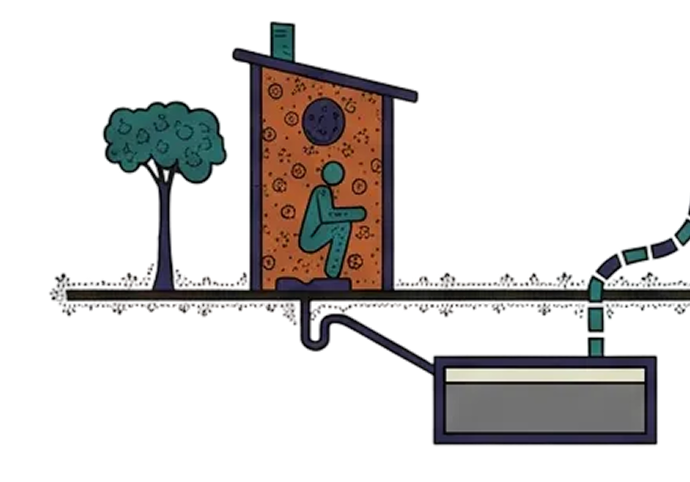
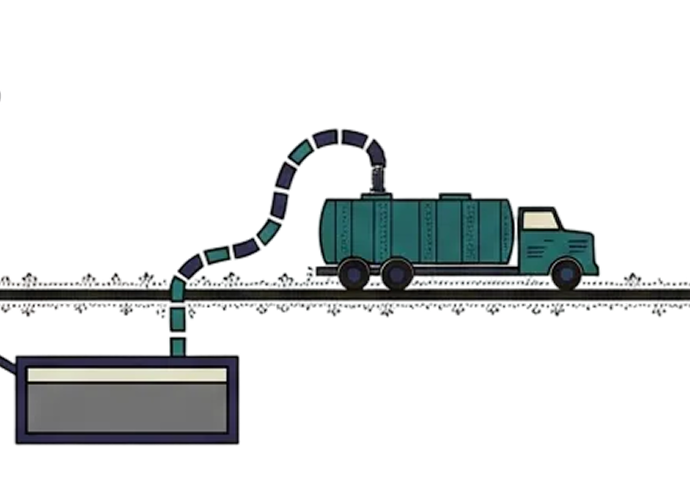
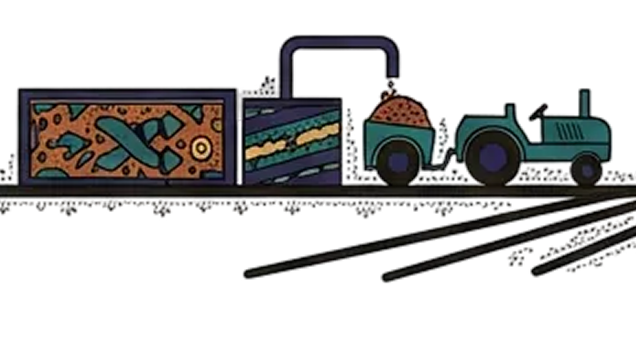
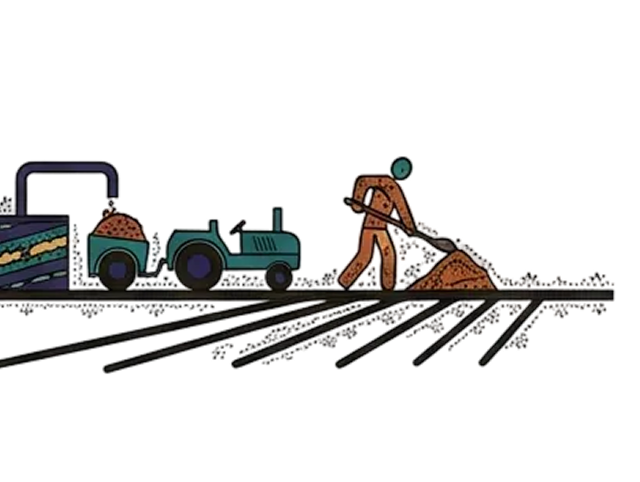
FSM is best understood through a value chain approach. The FSM value chain consists of four interconnected stages: Toilet Containment System, Emptying & Transportation, Treatment, and safe reuse or disposal. Each stage in this chain is equally important. If any one stage is not managed properly, fecal sludge can leak into the environment, creating health and sanitation risks.
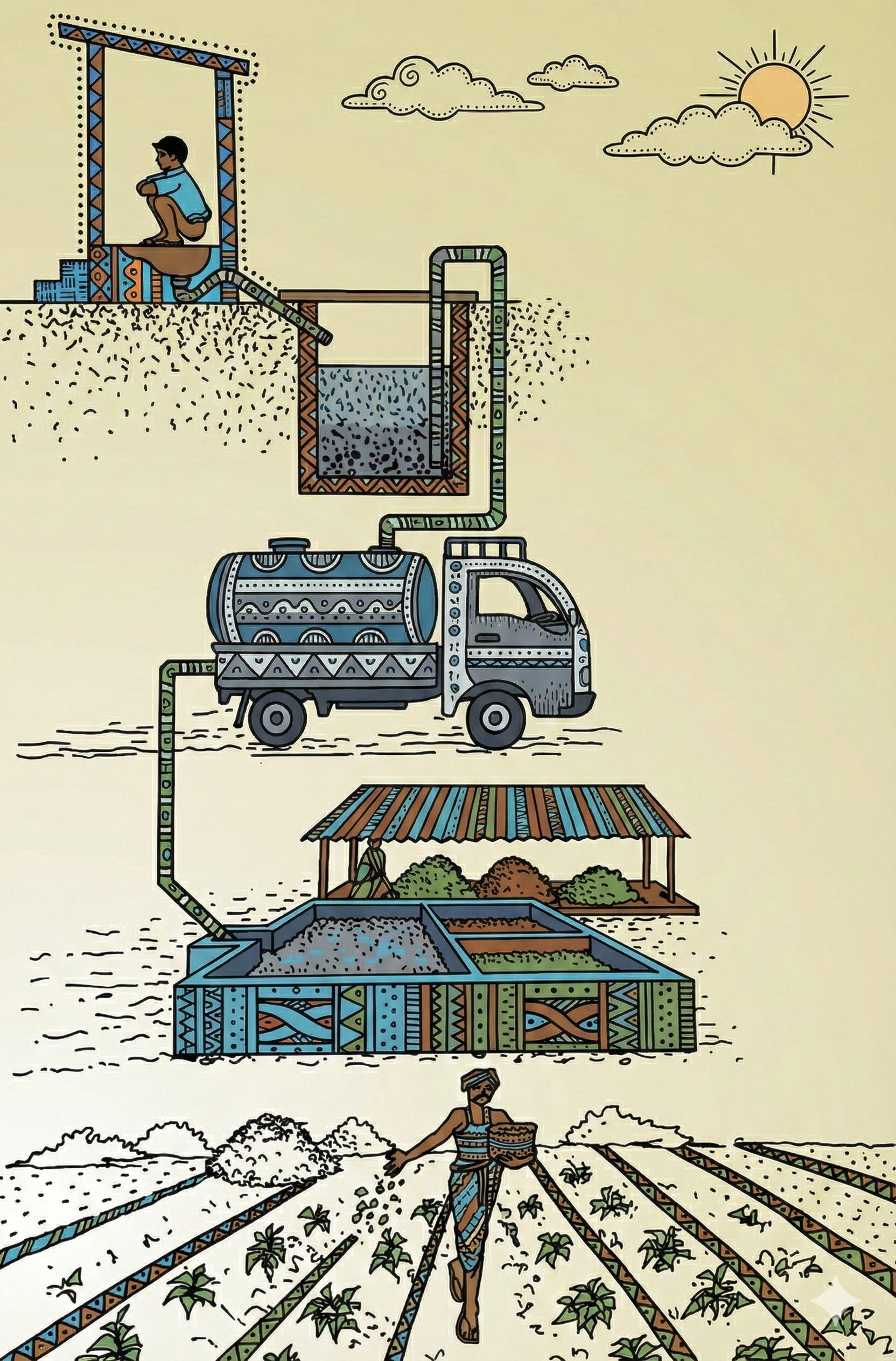
To overcome these challenges, national sanitation missions—including Swachh Bharat Mission (Urban and Grameen) and AMRUT—emphasize achieving safely managed sanitation through systematic Fecal Sludge and Septage Management (FSSM). The missions promote regular desludging, co-treatment at existing STPs/FSTPs, and the adoption of decentralized, cost-effective treatment solutions suited to both small towns and rural settlements.
WASH Institute, in partnership with the Ministry of Housing and Urban Affairs (MoHUA), the Department of Drinking Water and Sanitation (DDWS), state governments, and urban local bodies (ULBs)/Gram Panchayats, has been supporting the development and implementation of scalable FSM approaches. These efforts include technology design, operator training, desludging protocols, treatment plant planning, and monitoring mechanisms.

Fecal Sludge Management follows a systematic approach through five interconnected stages, from initial containment to final reuse of treated materials.