
End Products from Treatment
1
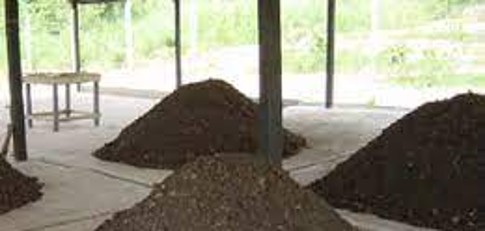
Biosolids
Dried sludge from planted drying beds, rich in nutrients, used as soil conditioner for agriculture.
Applications:
- Soil amendment for agricultural fields
- Compost ingredient for organic farming
- Landscaping and horticulture
- Land reclamation projects
Quality Standards:
- Must meet pathogen reduction requirements
- Heavy metal content within permissible limits
- Proper drying and stabilization
- Regular testing and certification
2
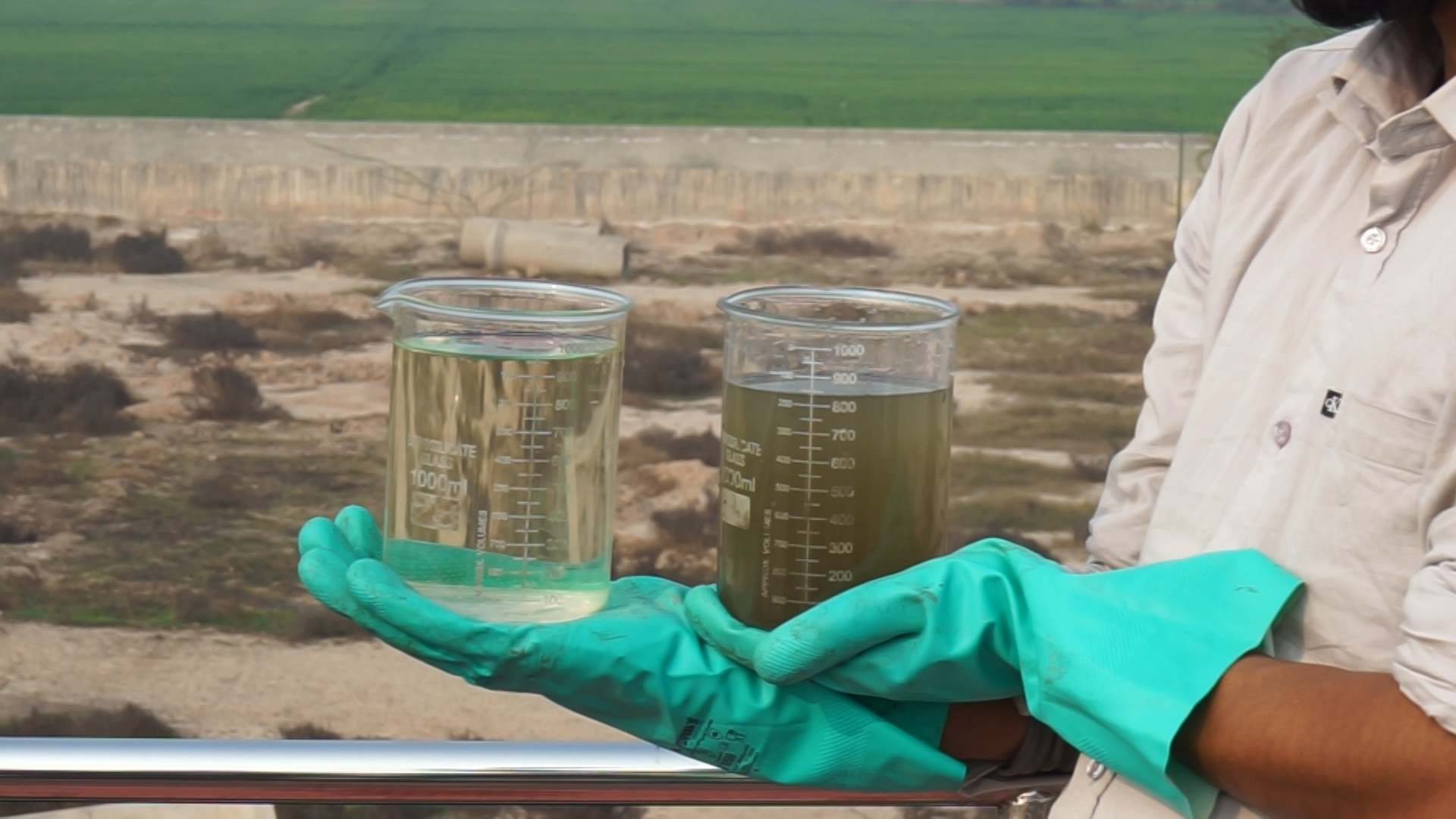
Treated Water
Liquid fraction from treatment, reusable for agricultural irrigation and landscaping purposes.
Applications:
- Irrigation for non-food crops
- Irrigation for food crops (with proper treatment)
- Landscaping and green space maintenance
- Groundwater recharge (where permitted)
Quality Standards:
- Meets irrigation water quality standards
- BOD and COD within acceptable limits
- Pathogen levels meet safety requirements
- Regular monitoring and testing
Benefits of Resource Recovery
Environmental Benefits
- Reduces freshwater demand
- Decreases chemical fertilizer dependency
- Minimizes waste sent to landfills
- Closes the sanitation loop sustainably
- Reduces environmental pollution
- Promotes circular economy principles
Economic Benefits
- Revenue generation from biosolids sales
- Reduced irrigation costs for farmers
- Lower fertilizer expenses
- Sustainable facility operations
- Job creation in waste management
- Cost recovery for treatment facilities
Safety Considerations
Safe reuse of treated products requires adherence to established guidelines and regular monitoring:
- Follow national and state regulations for biosolids and treated water reuse
- Implement proper handling and application procedures
- Conduct regular quality testing and monitoring
- Maintain proper documentation and traceability
- Provide training to farmers and end-users
- Ensure proper storage and transportation