
Common Containment Typologies in India
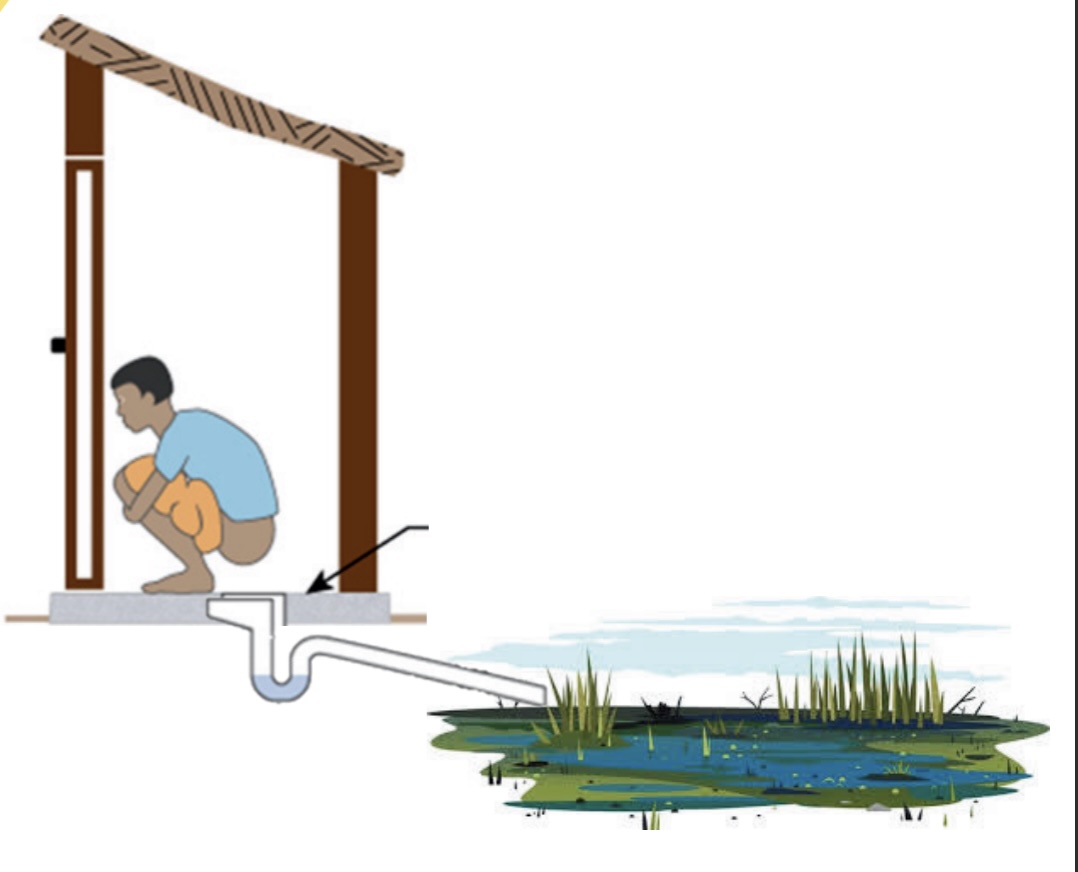
T0: Toilet Discharging Openly
No pit or septic tank
Toilet flush water is flowing openly
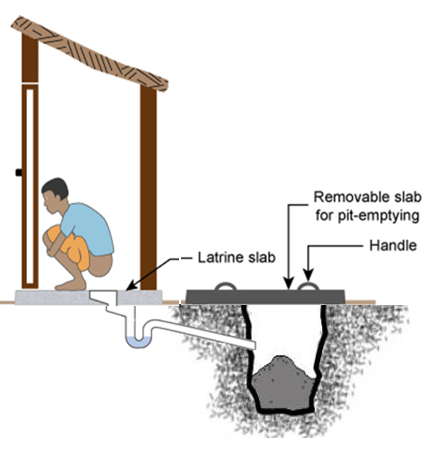
T1: Unlined Single Pit
No lining — prone to collapse
Manual emptying only (mechanical causes collapse)
Should be retrofitted or abandoned
Households typically abandon and dig a new pit
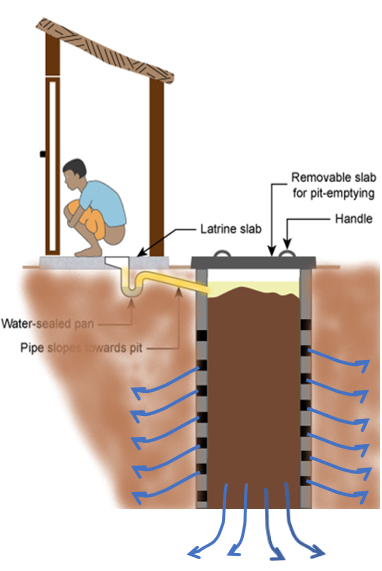
T2: Lined Single Pit
Honeycomb structure walls with earthen bottom
Backflows when full
Mechanical desludging every 5–6 years
Sludge accumulation: 70–80 L/capita/year
Pit fills in ~2 years for family of 5–6
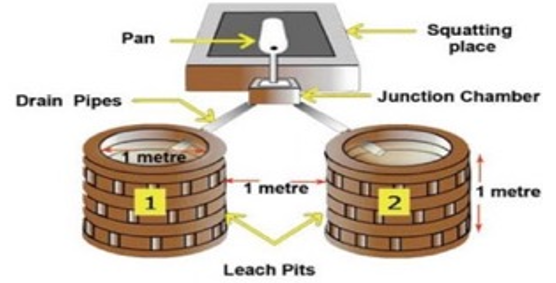
T3: Twin Pit
Two pits used alternately
Dried contents safely emptied manually
PPE recommended: boots, gloves, protective clothing
Full pit rests for 1+ year to dry out

T4: Septic Tank without Soak Pit
Watertight walls and floor
Overflow goes into open drains
Add a soak pit to prevent open drainage
Periodic desludging, ideally every 3 years

T5: Septic Tank with Soak Pit
Watertight walls with outlet to soak pit
Overflow safely absorbed by soak pit
Periodic desludging to protect soak pit longevity

T6: Holding Tank
No outlet pipe — fills very frequently
Wastewater backflows or overflows when full
Must be emptied very frequently
Contents are more like wastewater — not considered fecal sludge
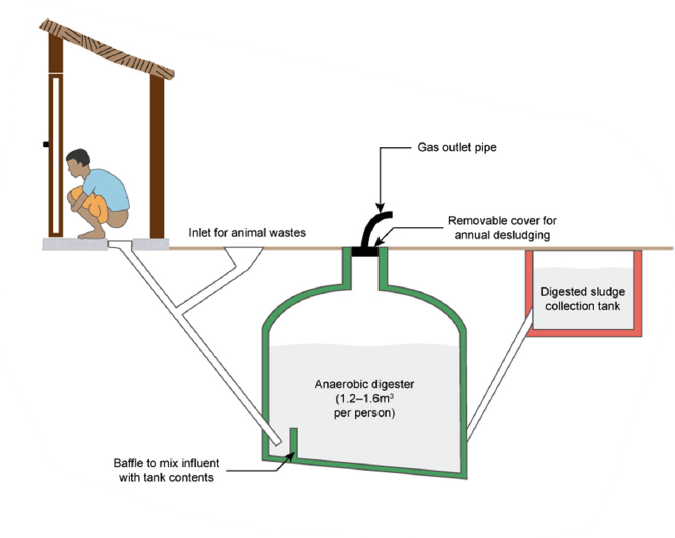
T7: Others
Distinctly different from above typologies
Examples: biogas-linked, sewer-connected
May or may not require periodic emptying
Resources
Toilet Typology Explained
Gram Panchayats (GPs) and Urban Local Bodies (ULBs) shall use the above toilet typology while creating and maintaining the toilet database. This data is a critical prerequisite for the next stage of planning, as it provides essential information on the quantity and characteristics of fecal sludge requiring treatment. Based on this assessment, appropriate systems for emptying, transportation, and treatment can be effectively planned and implemented.